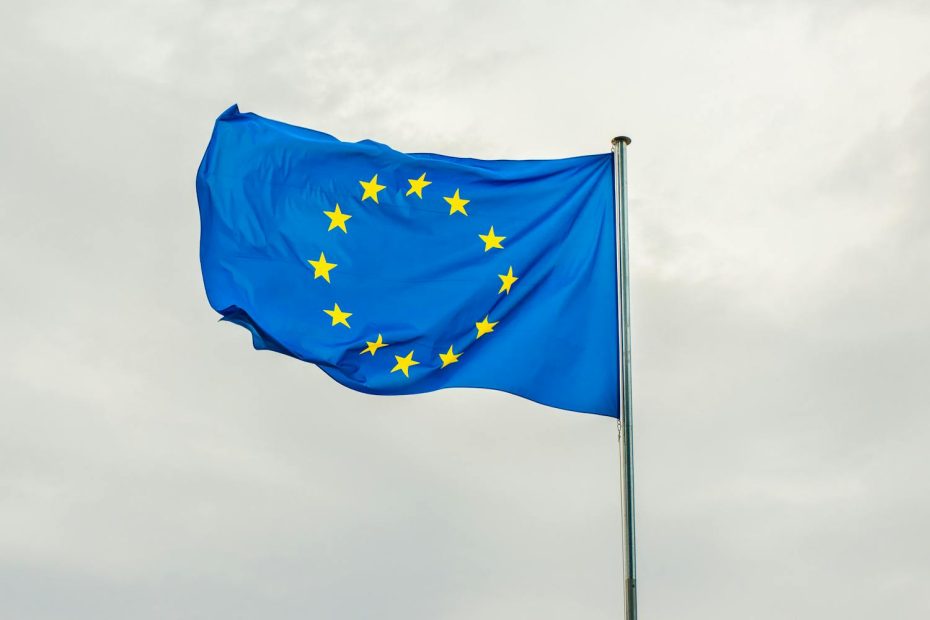
Since Brexit, there has been widespread confusion about what really happened to EU261 passenger rights in the UK. Many travelers believe their protection disappeared entirely, that compensation is no longer guaranteed, or that airlines can now legally refuse cash payments. In reality, much of what people think they know is based on misunderstandings and outdated information.
In this article, we’ll debunk the most common myths about Regulation EU261 after Brexit and explain what your rights actually look like today when flying to, from, or within the UK.
Check your compensation online.
Common Myths About Regulation EU261 After Brexit
Myth 1: Regulation EU261 No Longer Applies to UK Travelers at All
Many passengers believe Brexit completely removed their rights—but in reality, UK261 now provides almost identical protection.
One of the most common misconceptions after Brexit is that Regulation EU261 no longer applies to UK travelers in any form, leaving passengers without protection. In reality, this is not true.
While it’s correct that EU261 is no longer directly enforced as EU law within the UK, its protections were carried over into UK law and now exist as UK261.
Regulation UK261 provides almost identical rights and flight compensation to the original EU261 regulation. This means UK air passengers are still protected in cases of flight delays, cancellations, and denied boarding, with the same distance-based compensation structure and the same right to care, refunds, and rebooking.
In practice, the only real change for most travelers is which authority enforces the rules—the UK Civil Aviation Authority (CAA) instead of EU National Enforcement Bodies.
The level of protection itself remains essentially the same as before Brexit.
Myth 2: UK Passengers Lost Their Compensation Rights After Brexit
Many travelers assume that leaving the EU meant UK passengers automatically lost their right to flight delay and cancellation compensation. This belief is understandable—but it’s completely false. In reality, passenger compensation rights did not disappear after Brexit. Instead, they were preserved under the UK’s own version of the regulation, UK261.
Under UK261, passengers can still claim compensation for long delays, cancelled flights, and denied boarding when the disruption is the airline’s responsibility. The eligibility rules, distance thresholds, and compensation structure remain the same as before Brexit. The only practical difference is that compensation is now paid in pounds (£) rather than euros (€), using the equivalent value.
Read more:
- Jet2 Flight Delay Compensation
- Jet2 Flight Cancellation Compensation
- Jet2 Denied Boarding Compensation
This means UK passengers are just as protected today as they were before Brexit. Airlines operating under UK261 are still legally required to pay compensation when conditions are met, and passengers still have full rights to refunds, rebooking, and care during disruptions.
Myth 3: Only EU Airlines Must Pay Compensation Under Regulation EU261
A common misunderstanding is that only EU-based airlines are required to pay compensation under Regulation EU261. In reality, non-EU airlines can also be legally obligated to pay compensation, depending on where the flight departs from and where it lands.
Under EU261, any airline—EU or non-EU—must pay compensation if the flight departs from an EU airport. This means that a US, Middle Eastern, or Asian airline flying out of the EU is fully subject to EU261 rules just like an EU carrier. Under UK261, the same principle applies: any airline departing from the UK, regardless of where it is based, must follow UK passenger protection rules.
In addition, UK and EU airlines are also required to follow these regulations when flying into the EU or the UK from a third country. For example, a UK airline flying from the US to the UK is still covered by Regulation UK261, and an EU airline flying from Asia to Europe is still covered by Regulation EU261.
However, non-EU and non-UK airlines arriving in Europe or the UK from outside these regions are generally not covered, unless the flight departs from the EU or UK.
The key takeaway is that compensation eligibility is based on the departure location and the airline’s base—not just whether the airline is European.
Myth 4: You Can No Longer Claim for Flights Between the UK and EU
Many passengers wrongly believe that Brexit removed all protection for flights traveling between the UK and the EU. In reality, UK–EU routes are still fully covered by passenger rights regulations—either under UK261 or EU261, depending on the specific details of the journey.
If your flight departs from the UK, UK261 applies regardless of whether the airline is British, European, or based elsewhere. If your flight departs from an EU country, EU261 applies no matter which airline operates the flight. In addition, if you are flying into the UK with a UK airline or into the EU with an EU airline from a third country, you are still protected under the relevant regulation.
Myth 5: UK261 Pays Less Than EU261
Compensation amounts are equivalent.
The only difference is that UK261 pays in pounds instead of euros.
How Much is UK Flight Compensation?
| Flight Distance | Compensation (EUR) | Approximate GBP Equivalent* |
|---|---|---|
| Up to 1,500 km | €250 | ~ £220 |
| 1,500–3,500 km | €400 | ~ £350 |
| Over 3,500 km | €600 | ~ £520 |

Check your compensation online.
Myth 6: Airlines Can Now Avoid Paying Compensation More Easily
Some passengers believe that Brexit gave airlines more freedom to avoid paying compensation for flight disruptions. In reality, Brexit did not reduce or weaken airlines’ legal obligations at all. The same strict rules for flight delays, cancellations, and denied boarding still apply under Regulation UK261 and Regulation EU261.
Airlines remain fully responsible for paying compensation when your disruption is caused by factors within their control, such as technical faults, staffing shortages, or operational issues. They are also still required to provide refunds or rebooking, along with the right to care including meals, hotel accommodation, and transport during long delays.
The only situations where airlines can lawfully avoid paying compensation are when the disruption is caused by extraordinary circumstances, such as severe weather, air traffic control strikes, or security risks—exactly the same exceptions that applied before Brexit. However, even in extraordinary circumstances, passengers still retain the right to care, a full refund, or rebooking on an alternative flight in the event of a cancellation.
In short, airlines cannot use Brexit as an excuse to deny legitimate compensation claims.
Myth 7: You Must Accept Vouchers Instead of Cash After Brexit
This is not true. Under both UK261 and EU261, passengers are still legally entitled to receive compensation and refunds in cash. Jet2 vouchers can only be issued if you explicitly agree to accept them.
Airlines may promote vouchers as a faster or more convenient option, sometimes even offering a higher face value to encourage acceptance. However, you are under no obligation to accept travel credit, and you can always insist on receiving your money by bank transfer or original payment method instead.
It’s also important to be cautious with vouchers, as they often come with expiration dates, usage restrictions, and limited flexibility. Choosing cash provides greater security and freedom to use your money as you wish. In short, Brexit did not change your right to cash—vouchers remain strictly optional.
Read more: When Are Jet2 Vouchers Offered (And Should You Accept Them?)
Myth 8: Connecting Flights Are No Longer Covered
This is incorrect. Connecting flights are still fully covered under UK261 and EU261, just as they were before Brexit, and your final destination remains the key factor in determining eligibility for compensation.
If your journey is booked under one single reservation, and a delay or cancellation on the first leg causes you to arrive at your final destination late, your compensation eligibility is based on the total delay at the final destination—not on each individual flight segment. This applies whether your journey involves connections within the EU, between the UK and EU, or between third countries and the UK/EU, as long as the applicable regulation covers the route.
For example, if you fly from Manchester to Amsterdam and then to Rome on one booking, and a delay in Manchester causes you to miss your connection and arrive in Rome late, your rights are assessed based on your arrival time in Rome, not Amsterdam. Brexit did not change this principle, and passengers with connecting flights remain fully protected when the regulation applies.
Myth 9: You Can Claim Under Both UK261 and EU261 at the Same Time
Some passengers believe they can choose between UK261 and EU261—or even try to claim under both—for the same disrupted flight.
In reality, only one regulation will apply to any given flight, depending on the departure airport and the airline operating the service.
In certain situations, a flight may fall under either UK261 or EU261, but you must claim under the single regulation that legally applies—you cannot claim under both at the same time or receive two separate compensations for the same disruption.
Which Regulation Protects You When Flying With Jet2?
- EU to EU: Protected under EU261 and UK261
- EU to UK: Protected under EU261 and UK261
- EU to third country: Protected under EU261 and UK261
- UK to EU: Protected under UK261 only
- UK to UK: Protected under UK261 only
- UK to third country: Protected under UK261 only
- Third country to EU: Protected under UK261 only
- Third country to UK: Protected under UK261 only
Myth 10: Only Compensation Is Covered—Refunds and Care Are Not
Many passengers mistakenly believe that Regulation UK261 and Regulation EU261 only apply to EU/UK flight compensation, and that refunds and passenger care are no longer protected after Brexit. This is incorrect. Under both regulations, your rights go far beyond flight compensation alone.
Passengers are still legally entitled to a full refund or rebooking if their flight is cancelled, as well as the right to care during long delays and disruptions. This includes meals, refreshments, hotel accommodation when an overnight stay is required, and transport between the airport and the hotel. These rights apply regardless of whether the disruption was caused by extraordinary circumstances, even when compensation itself may not be payable.
In short, refunds and care are just as strongly protected as compensation, and Brexit did not reduce these essential passenger rights in any way.
Despite the confusion caused by Brexit, UK261 and EU261 continue to provide strong and largely identical protection for air passengers. Passengers still enjoy the same core rights to compensation, refunds, and care.
Featured photo by Dušan Cvetanović from Pexels