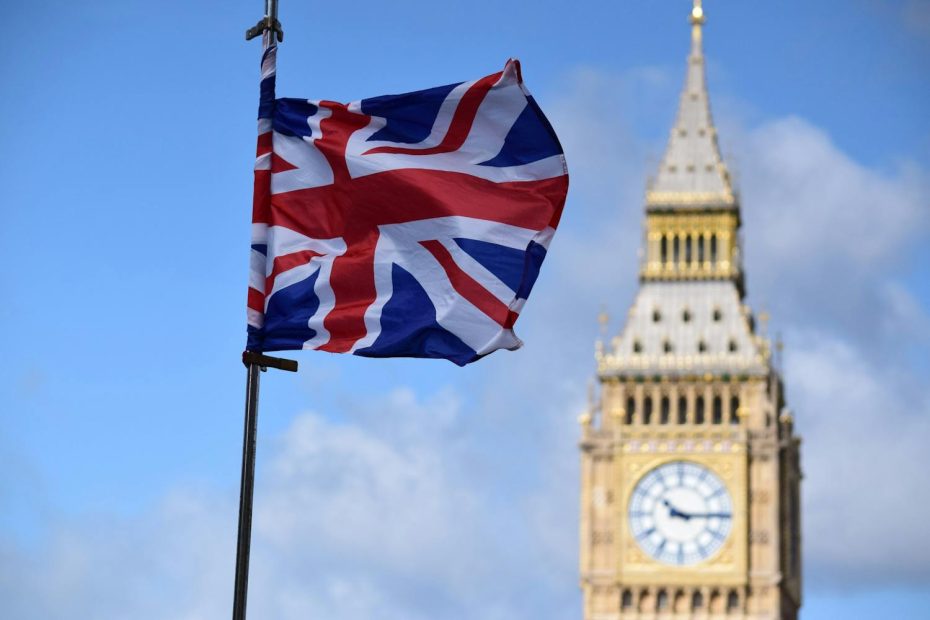
EU261 Regulation is one of the most important passenger protection laws in Europe, giving travelers the right to refunds, care, and flight compensation when flights are delayed, cancelled, or overbooked. For years, it has served as a powerful safeguard for millions of air passengers. However, when the UK left the European Union, many travelers were left confused about whether these rights still apply when flying to or from the UK.
In this article, we’ll clear up that confusion by explaining whether EU261 is still valid in the UK after Brexit, how UK261 now works, and what these rules mean for both UK and EU travelers today.
Check your compensation online.
What Is EU261 Regulation?
EU261 Regulation is a European Union law designed to protect air passengers when travel plans are disrupted. It applies to flights affected by long delays, cancellations, and denied boarding due to overbooking, and it sets clear rules on airline responsibilities.
Under Regulation EU261, eligible passengers may be entitled to EU flight compensation ranging from €250 to €600, depending on the flight distance and length of the delay.
In addition to compensation, the regulation also guarantees the right to a full ticket refund or rebooking, as well as the right to care and assistance such as meals, accommodation, and transportation during significant disruptions.
Read more:
- Jet2 Flight Delay Compensation
- Jet2 Flight Cancellation Compensation
- Jet2 Denied Boarding Compensation
What Changed After Brexit?
When the UK officially left the European Union, EU laws no longer applied automatically within the UK legal system. This raised important questions about passenger rights that were previously protected under Regulation EU261.
To avoid leaving legal gaps, the UK government transferred existing EU laws into domestic legislation through the European Union (Withdrawal) Act 2018. As a result, EU261 was retained in UK law in a modified form, leading to the creation of a new regulation commonly known as Regulation UK261, which now governs air passenger rights in the UK.
Is EU261 Regulation Still Valid in the UK?
The short answer is no—EU261 Regulation no longer directly applies in the UK following Brexit.
Instead, UK261 now governs passenger rights for flights connected to the UK. While the legal framework has changed, the practical protections for passengers remain largely the same. Most of the rules, compensation levels, and refund rights carried over unchanged, meaning travelers still enjoy very similar protections as they did before Brexit, just under a UK-based regulation.
Passengers may be entitled to EU261 compensation and care if their flight is delayed, cancelled, or they are denied boarding due to the airline’s fault—even after Brexit. However, for UK departures and UK-based airlines, these rights are now governed by UK261, which is almost identical in practice and provides the same level of passenger protection.
What Is UK261 and How Is It Different From EU261?
UK261 is the UK’s version of the former EU261 regulation and sets out the rights of UK air passengers when flights are delayed, cancelled, or overbooked on UK-connected journeys.
In practice, UK261 is almost identical to EU261, covering the same disruption scenarios and offering the same levels of protection. The main difference lies in legal jurisdiction and enforcement, which is now handled by UK authorities such as the Civil Aviation Authority (CAA), rather than EU bodies.
UK flight compensation amounts under both regulations remain equivalent in value—still based on the same distance-based structure as EU261—ensuring UK and EU passengers continue to receive comparable financial protection.
When Does UK261 Apply vs EU261?
UK261 and EU261 apply based on where your flight departs and which airline operates it.
UK261 applies to all flights departing from a UK airport, regardless of the airline, as well as to flights arriving in the UK when operated by a UK-based carrier.
On the other hand, EU261 applies to all flights departing from an EU airport, no matter which airline you fly with, and to flights arriving in the EU when operated by an EU-based airline.
If you are flying with a UK-based airline such as Jet2, British Airways, easyJet, or Virgin Atlantic, different rules may apply depending on your route. In some situations, you may be able to rely on both EU261 and UK261 when submitting a compensation claim, while in others, only one regulation will apply. For connecting flights, always consider your final destination as your official destination for determining your rights.
Which Regulation Protects You When Flying With Jet2?
- EU to EU: Protected under EU261 and UK261
- EU to UK: Protected under EU261 and UK261
- EU to third country: Protected under EU261 and UK261
- UK to EU: Protected under UK261 only
- UK to UK: Protected under UK261 only
- UK to third country: Protected under UK261 only
- Third country to EU: Protected under UK261 only
- Third country to UK: Protected under UK261 only

Check your compensation online.
Do Passengers Still Get the Same Compensation After Brexit?
Yes, passengers continue to receive the same level of protection and compensation after Brexit under UK261 as they did under EU261. Compensation amounts are still based on flight distance and disruption length and remain equivalent to €250–€600, now paid in pound sterling (£).
In addition to compensation, passengers retain the full right to a refund if their flight is cancelled and they choose not to travel, or the option of being rebooked on an alternative flight at no extra cost.
Travelers are also still entitled to the right to care, which includes meals, refreshments, hotel accommodation, and transport during long delays or overnight disruptions.
In practical terms, Brexit has not reduced the financial or practical assistance passengers are entitled to—it has only changed the legal framework under which those rights are enforced.
How Much is UK Flight Compensation?
| Compensation (EUR) | Approximate GBP Equivalent* |
|---|---|
| €250 | ~ £220 |
| €400 | ~ £350 |
| €600 | ~ £520 |
Exception: For long-haul flights over 3,500 km with an arrival delay of 3 to 4 hours, the standard long-haul compensation of £520 is reduced by 50%. In these cases, passengers receive £260 instead of the full amount.
Who Enforces UK261 Now?
UK261 is enforced by the UK Civil Aviation Authority (CAA), which acts as the primary regulatory body responsible for overseeing airline compliance within the UK. If an airline fails to respect your rights, the CAA can investigate and take enforcement action when necessary.
Within the European Union, National Enforcement Bodies (NEBs) in each EU member state continue to enforce EU261 for EU-based flights.
If an airline refuses to pay compensation or issue a refund under UK261, your first step should always be to submit a formal claim directly to the airline.
If the airline rejects your claim or fails to respond, you can escalate the dispute to the CAA or the relevant EU NEB, depending on which regulation applies to your flight. As a last resort, passengers may also pursue the matter through alternative dispute resolution (ADR) schemes or the courts to recover what they are legally owed.
Or you can work with a flight compensation company, which can make an EU/UK flight compensation claim on your behalf.
When choosing this option, here is all you will have to do:
And that’s it — the rest is handled by professionals.
* Your boarding pass and passport or ID copy.
For UK departures and UK-based airlines, air passenger rights are now governed by UK261, which is almost identical in practice and provides the same level of passenger protection as the EU261 Regulation.
Featured photo by Oskar Młodziński from Pexels